
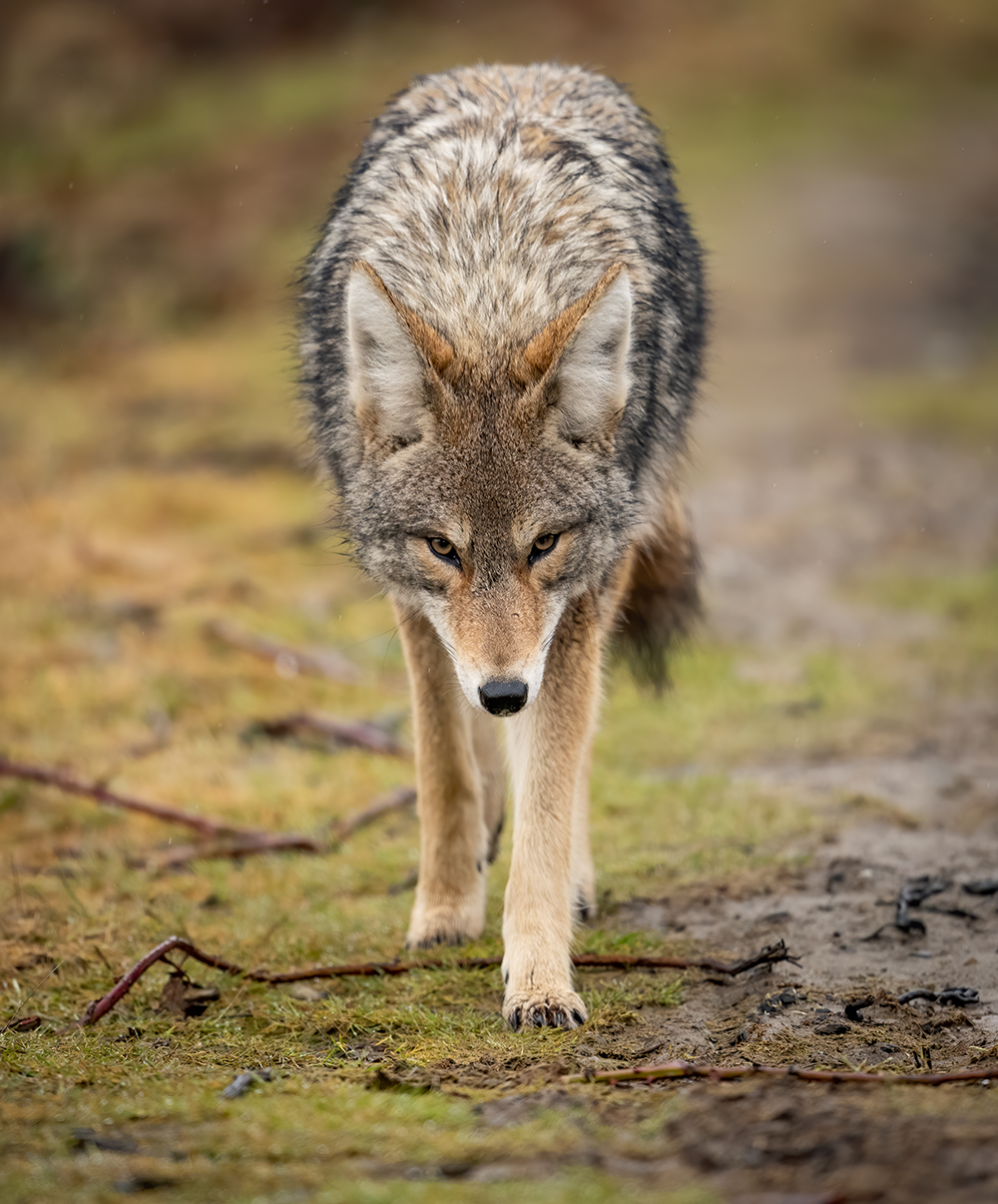
Coyote hunting is one of the most widespread and necessary forms of predator management in North America. Coyotes are highly adaptable predators found in nearly every habitat, including agricultural land, open prairie, pasture, river bottoms, and timber edges. Their population growth and intelligence make them a consistent challenge for hunters and landowners alike. Coyotes impact livestock operations, reduce deer fawn survival rates, and place pressure on small game populations, making responsible coyote control important for overall wildlife balance.
Successful coyote hunting begins with understanding behavior and terrain. Coyotes rely heavily on wind, sound, and visibility, often approaching calls from downwind while using cover to stay concealed. Travel corridors such as fence lines, creek bottoms, ridgelines, and field edges are key locations to focus on. Calling strategies range from prey distress sounds to territorial howls, depending on season and pressure. Because coyotes learn quickly, rotating sounds and setups is critical to long-term success.

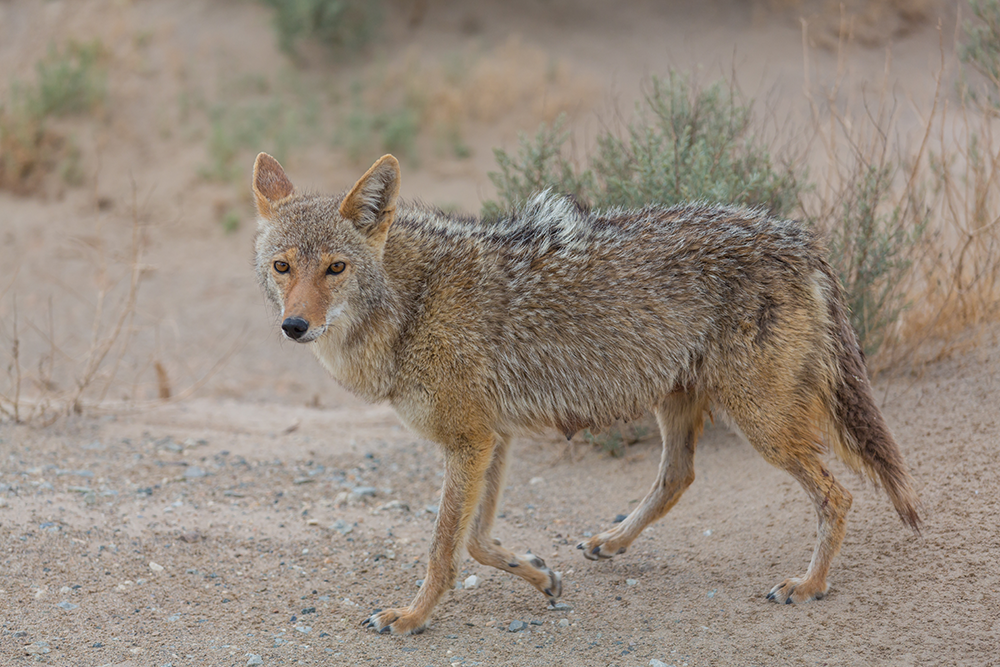
Hunting Peaks in Fall
Seasonally, coyote hunting peaks in fall and winter when food sources decline and fur quality improves. Cold weather concentrates movement and makes coyotes more responsive to calls. Many states allow extended or year-round seasons due to population concerns, making coyotes a consistent target for predator hunters. Patience, discipline, and attention to detail separate successful coyote hunters from casual callers.